 Servicing SA
 Adelaide Experts

Cloudy Pool Water? Learn How to Fix It! Top 4 Expert FAQs
Discover the common causes of cloudy pool water and learn how to fix them.

Discover the common causes of cloudy pool water and learn how to fix them.
When you have a pool, maintaining crystal-clear water is essential for an enjoyable swimming experience. However, there are times when your pool water may become cloudy seemingly overnight, requiring your attention to restore its clarity. In this blog post, we will explore the causes of cloudy pool water and provide effective solutions to help you fix the issue and get back to enjoying your pool in no time. Let’s dive in!
Yes, in most cases, it is safe to swim in a cloudy pool. Cloudy pool water is often caused by particles that are too small to be captured by the pool filter. However, if the cloudiness is a result of chemical imbalance, it may cause skin irritations or other discomforts, especially for individuals with sensitivities. Therefore, it’s important to address the underlying causes of cloudy water to ensure a safe swimming environment.
Cloudy pool water can stem from various factors, but we can categorise them into three main causes:
Your pool filter system plays a crucial role in maintaining clear water. When something goes wrong with your filter, it can result in cloudy pool water. Two common filter types are sand filters and cartridge filters.
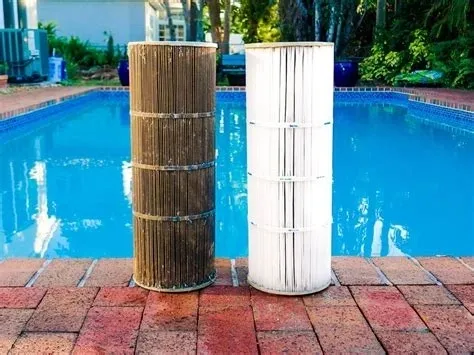
Yes, a malfunctioning pool filter can contribute to cloudy water. If your filter is not operating optimally, it may not effectively remove debris and particles from the water, leading to cloudiness. It’s essential to ensure that your filter system is in good working condition.
Various environmental factors can impact the clarity of your pool water. These factors include:
Maintaining proper chemical balance is crucial for clear pool water. Imbalances in pH, alkalinity, chlorine or other sanitizers, and calcium hardness can contribute to cloudiness.
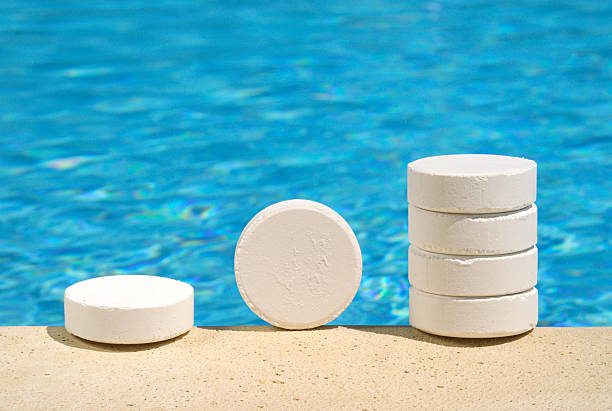
Yes, excessive levels of chlorine, as well as other pool chemicals, can make your water cloudy. It’s important to regularly test and balance the chemicals in your pool to prevent cloudiness.
Clearing up a cloudy pool requires identifying the underlying cause and implementing appropriate solutions. Let’s explore some effective methods to restore the clarity of your pool water:
A properly functioning filter is essential for maintaining clear water. Consider the following steps based on your filter type:
Proper chemical balance is crucial for maintaining clear pool water. Test the following chemical levels and make necessary adjustments:
Regularly test the water and make necessary adjustments to keep the chemical levels balanced.
Pool clarifiers and flocculants can help improve water clarity by effectively removing small particles.
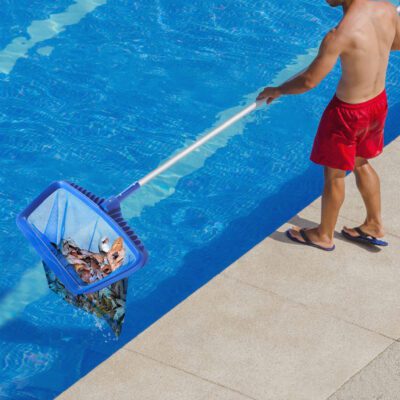
Regularly skim the surface of the pool to remove leaves, debris, and other contaminants. Vacuum the pool to remove any settled debris or sediment from the bottom. This will help improve water clarity.
By following these steps and addressing the underlying causes, you can restore the clarity of your pool water. Remember to maintain regular pool maintenance practices to prevent future cloudiness.
Cloudy pool water can be frustrating, but with proper identification of the causes and implementing appropriate solutions, you can restore the crystal-clear appearance of your pool. Regularly check your filter system, balance the chemicals, and use clarifiers or flocculants when needed. With consistent maintenance, you can enjoy a sparkling and inviting swimming pool throughout the swimming season.
Follow these steps to restore your pool’s crystal clear appearance:
1. Test and Balance the Water: Start by testing the water’s pH, chlorine, and alkalinity levels. Adjust them as necessary to achieve the ideal balance.
2. Run the Filter: Ensure that your pool’s filter is clean and in proper working condition. Run it for longer periods to enhance filtration.
3. Shock the Pool: If the water remains cloudy after balancing the chemicals, it’s time to shock the pool. Choose a suitable shock treatment and follow the instructions carefully.
4. Brush and Vacuum: Brush the pool’s walls, floor, and steps to dislodge any debris or algae. Vacuum the pool thoroughly, paying extra attention to cloudy areas.
5.Backwash or Clean the Filter: If your pool has a sand or DE filter, backwash it to remove trapped contaminants. For a cartridge filter, clean or replace the cartridge.
Yes, too much chlorine can indeed contribute to cloudy pool water. While chlorine is essential for maintaining a healthy pool, an excessive amount can create chemical imbalances, leading to cloudiness. When chlorine levels are too high, it can cause the formation of chloramines, which are compounds that make the water cloudy and give off a strong odor. It’s important to maintain proper chlorine levels to prevent this issue.
The time required to clear a cloudy pool varies depending on the severity of the cloudiness and the effectiveness of the treatment. In most cases, with proper water balance, filtration, and treatment, you can expect to see noticeable improvements within 24 to 48 hours. However, persistent cloudiness may indicate a more significant underlying issue that requires professional assistance.
The most common cause of cloudy pool water is the presence of suspended particles in the water. These particles can include debris, dirt, algae, or even dead skin cells. Insufficient filtration, imbalanced water chemistry, poor circulation, and inadequate sanitation are often contributing factors. Regular maintenance, proper water balance, and good filtration practices can help prevent and address cloudiness.
To make your pool water crystal clear, follow these steps:
1. Maintain Proper Water Balance: Test and adjust the pH, alkalinity, and calcium hardness levels to the recommended ranges.
2. Ensure Adequate Filtration: Run your pool’s filtration system for an appropriate duration to ensure thorough water circulation and effective filtration.
3. Clean the Pool Regularly: Brush the walls, floor, and steps to remove algae and other debris. Skim the surface and clean out the skimmer basket and pump strainer regularly.
4. Shock the Pool: Regularly shock the pool to eliminate contaminants and maintain proper chlorine levels.
5. Use Clarifiers or Flocculants: These products help gather small particles into larger clumps, making it easier for the filter to remove them.
6. Regular Maintenance: Keep up with routine maintenance tasks such as backwashing or cleaning the filter, vacuuming the pool, and testing the water chemistry regularly.
Shocking a cloudy pool is often necessary to eliminate contaminants and restore water clarity. However, it’s important to understand that shocking alone may not always solve the problem. Remember to test and balance the water, clean the filter, and brush and vacuum the pool to achieve the best results.
If your pool water appears cloudy even after shocking it, several factors could be at play:
1. Insufficient Filtration: Inadequate filtration may not effectively remove the particles that cause cloudiness, even after shocking the pool.
2. Precipitation of Minerals: Shock treatments can cause minerals to precipitate, resulting in cloudy water. This issue can be resolved by using a clarifying agent.
3. pH Imbalance: An incorrect pH level can interfere with the effectiveness of the shock treatment, leading to lingering cloudiness.
4. Algae Die-Off: After shocking the pool, dead algae may remain suspended in the water, making it appear cloudy. Continued filtration and brushing can help eliminate them.
Yes, you can vacuum a cloudy pool. However, it’s essential to use a pool vacuum specifically designed for this purpose. Ensure that the vacuum has a fine-mesh bag or a cartridge filter to capture the small particles causing cloudiness. Vacuuming the pool, especially after brushing, helps remove debris and algae, contributing to the overall clarity of the water.